
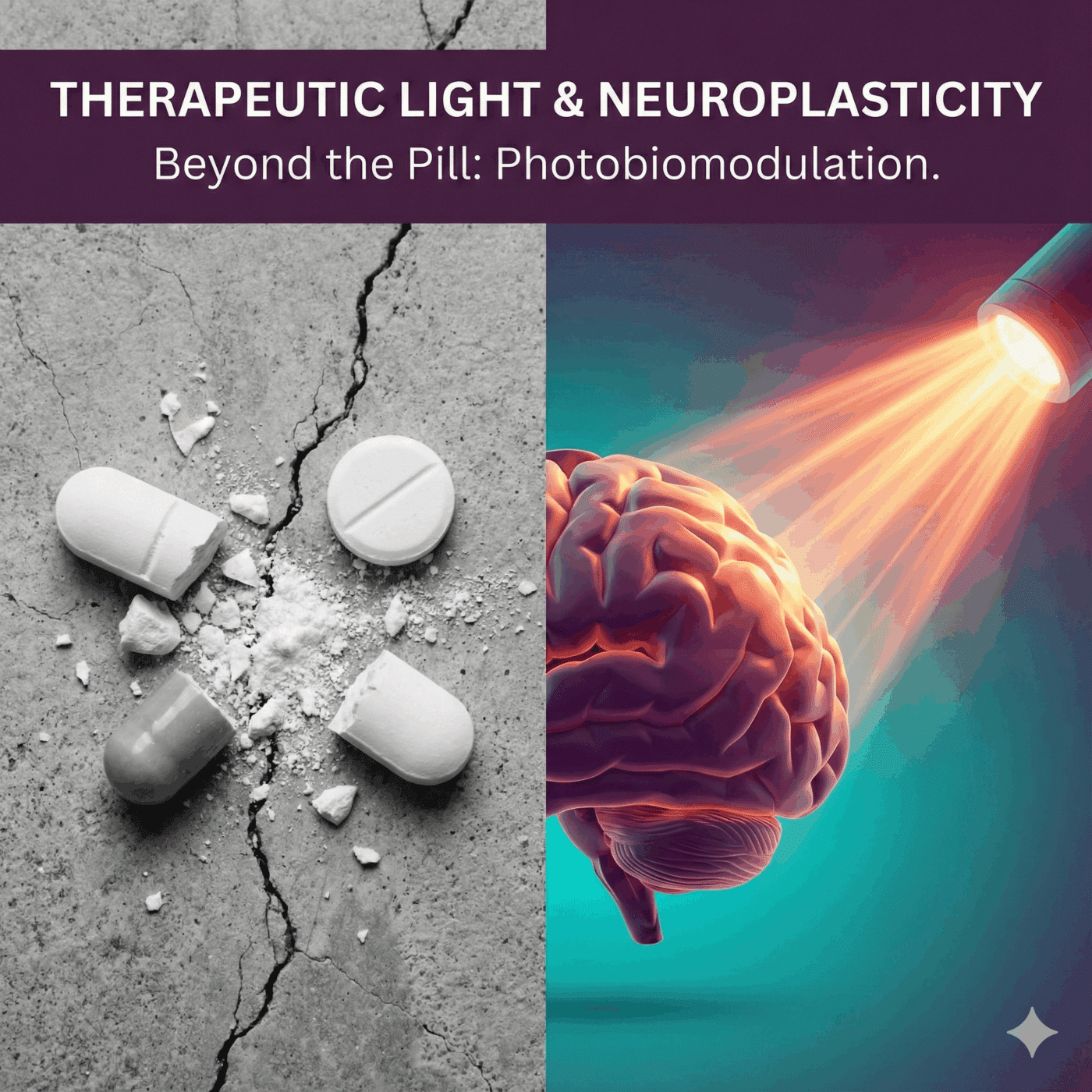
Alzheimer's Breakthrough: Promising New Treatments on the Horizon
Looking for an Alzheimer’s breakthrough? Near-Infrared Photobiomodulation (PBM) therapy is emerging as a promising new treatment. This article explores how this therapy and other recent advancements are providing new hope for those affected by Alzheimer’s disease. Aging remains the greatest risk factor for Alzheimer’s, underscoring the importance of innovative treatments to address this growing challenge.
Key Takeaways
Near-Infrared Photobiomodulation (PBM) therapy shows significant potential in improving cognitive function for Alzheimer’s patients without adverse effects, making it a compelling alternative to traditional pharmaceutical treatments.
Recent setbacks in pharmaceutical trials highlight the importance of innovative approaches like PBM therapy, which have demonstrated lasting cognitive benefits and a favorable safety profile.
Breakthroughs in early detection methods, such as the FDA-approved Lumipulse blood test and the UK’s ‘Fastball’ test, are crucial for timely Alzheimer’s diagnosis, potentially improving treatment outcomes and patient quality of life.
Women are more susceptible to Alzheimer’s disease than men, with two-thirds of Alzheimer’s patients being women, emphasizing the need for gender-specific research and interventions.
Near-Infrared Photobiomodulation (PBM) Therapy: A New Hope
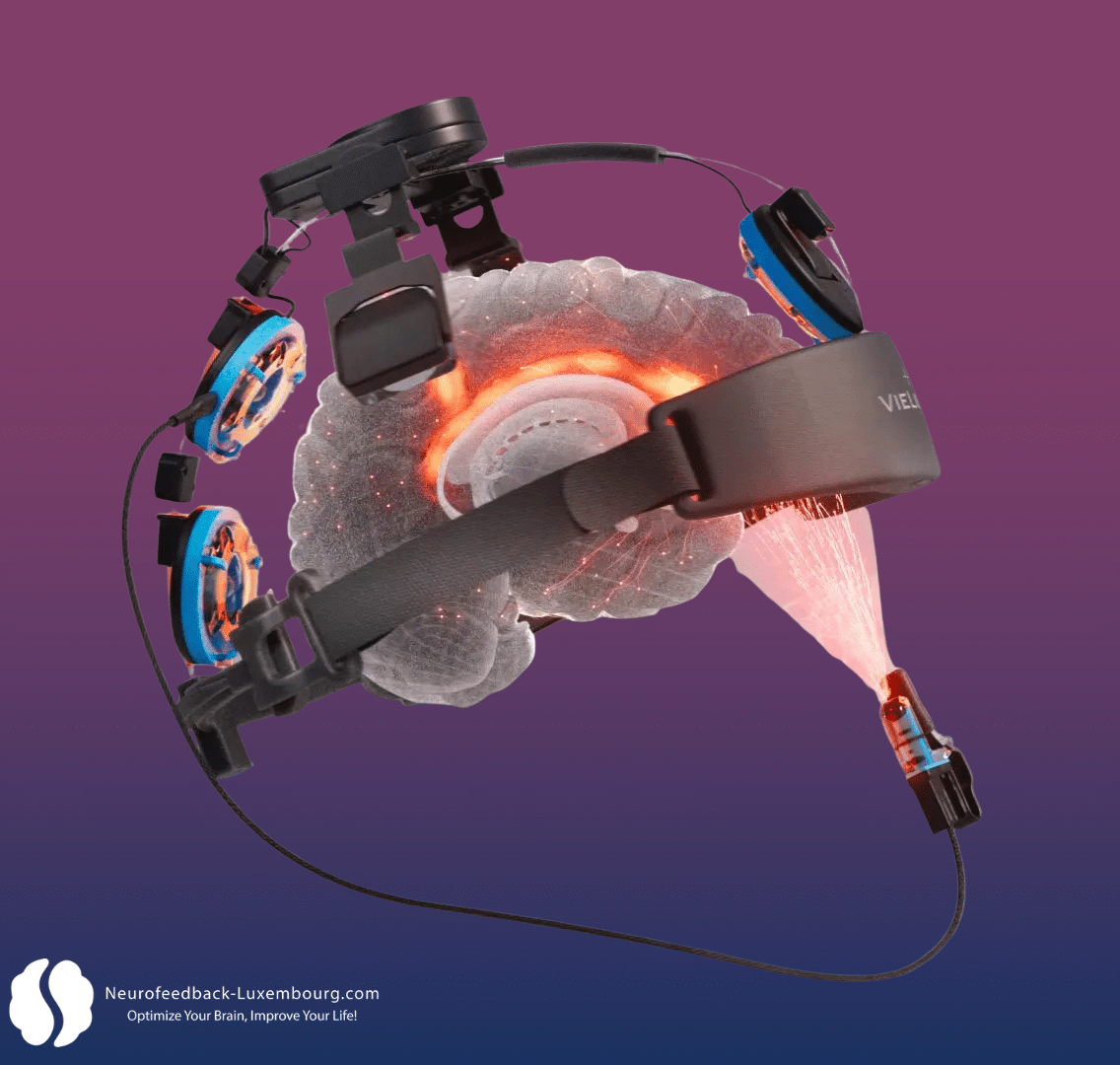
Near-Infrared Photobiomodulation (PBM) Therapy is emerging as a beacon of hope in the realm of Alzheimer’s treatment. This non-invasive therapy uses specific wavelengths of light to penetrate the skull and stimulate cellular function in brain tissue. PBM therapy aims to protect and restore brain cells, supporting their health and ability to communicate, which is fundamental for cognitive function. Recent studies have also found that lithium levels are lower in people with early memory loss and Alzheimer’s, with lithium deficiency accelerating cognitive decline. The integration of transcranial PBM and neurofeedback aims to enhance cognitive functions and overall brain health, making it a promising new treatment for Alzheimer’s patients.
The therapy’s ability to improve cognitive functions without adverse effects has been demonstrated in clinical studies. PBM therapy supports mental wellness and cognitive performance by targeting the brain vasculature and enhancing mitochondrial activity. The combination of transcranial PBM and neurofeedback is gaining attention for its potential benefits in treating neurodegenerative diseases. Additionally, chronic insomnia may accelerate brain aging, indicating that improving sleep could help in dementia prevention.
Moreover, the clinical study on Near-Infrared Photobiomodulation (PBM) reported significant cognitive improvements in patients without any adverse effects, highlighting its potential as an effective treatment for Alzheimer’s disease. This non-invasive approach stands in stark contrast to many pharmaceutical treatments that often come with a range of side effects, offering a safer alternative for patients and their families. Genetic factors, such as the presence of the APOE e4 gene, also increase the risk of developing Alzheimer’s, further emphasizing the need for effective and accessible treatments.
Clinical Trial by Guo et al.
A pivotal 2025 clinical trial by Guo et al. has brought new hope to Alzheimer’s disease research. This study focused on whole-head 810 nm near-infrared light therapy in patients with Alzheimer’s disease. The treatment protocol involved the use of a non-invasive helmet or LED array, applied over several weeks, demonstrating a practical and accessible approach to Alzheimer’s treatment. Additionally, GLP-1 receptor agonists like semaglutide are being studied for their potential to treat Alzheimer’s by reducing brain inflammation and improving blood vessel health.
Nine Alzheimer’s disease patients completed the 4-month treatment in the study, showing notable cognitive improvements. The PBM study by Guo et al., published in the Journal of Light Therapy, was conducted at a leading university and led by a team of experienced researchers. This reflects serious academic interest and credibility in the scientific community. The contrast between pharmaceutical failures and the success of PBM therapy offers hope for Alzheimer’s treatment, emphasizing the need for continued exploration of this innovative approach. However, new Alzheimer’s drugs are expensive, costing around $27,000 to $34,000 a year for each patient, which poses challenges for widespread accessibility.
The growing evidence from this and other research highlights the potential of PBM therapy as a new treatment for Alzheimer’s disease. Scientists and researchers are increasingly optimistic about the role of PBM in improving patient outcomes and advancing Alzheimer’s disease research. Additionally, nanoparticles are being researched as a method to restore clearance of amyloid plaques in the brain, offering another innovative avenue for treatment.
Patient Outcomes
The clinical trials found that patients receiving PBM therapy exhibited an average score improvement of about 5 points on the Alzheimer’s Disease Assessment Scale–Cognitive. This significant improvement underscores the therapy’s potential as an effective treatment for Alzheimer’s symptoms. Moreover, neuropsychiatric symptoms also improved numerically in patients receiving whole-head PBM therapy, indicating a broader impact on mental health. In clinical studies, the blood test correctly identified the presence of amyloid plaques in over 91% of cases, further supporting its reliability in early detection.
Notably, the benefits of PBM therapy were sustained for at least two months after treatment, demonstrating lasting cognitive improvements. These patient outcomes suggest that PBM therapy not only provides immediate relief from Alzheimer’s symptoms but also offers long-term cognitive benefits, making it a promising addition to the arsenal of Alzheimer’s treatments.
Safety Profile
One of the most compelling aspects of PBM therapy is its safety profile. Characterized by its non-invasive nature, the therapy reported no adverse device-related effects during clinical trials. The whole-head 810 nm NIR light therapy has been deemed safe, offering promising benefits for Alzheimer’s disease patients.
However, further large-scale randomized controlled trials are necessary to confirm its efficacy and establish it as a mainstream Alzheimer’s treatment.
Failures in Pharmaceutical Trials: Learning from Setbacks
Alzheimer’s research reached a pivotal moment in late November 2025 with the announcement of failures in drug trials by Novo Nordisk and Johnson & Johnson. These setbacks in Alzheimer’s drugs and medicine highlight the ongoing challenge to effectively treat Alzheimer’s. These setbacks highlight the challenges in developing effective Alzheimer’s treatments and underscore the need for innovative approaches. Despite the disappointment, these failures provide valuable lessons for future research and development in Alzheimer’s disease treatment.
The implications of these pharmaceutical failures are significant, as they emphasize the importance of rigorous testing, refined methodologies, and patient selection criteria. The contrast between these setbacks and the success of PBM therapy reinforces the need for alternative approaches in Alzheimer’s research. These setbacks help researchers develop more effective treatments and improve patient outcomes.
Novo Nordisk's Semaglutide Trial
Novo Nordisk’s Semaglutide trial faced significant criticism for its methodology, particularly in how it measured its primary outcomes. The trial failed to meet its primary goals, resulting in a negative stock market reaction and a significant drop in investor confidence. This failure underscores the challenges in developing new drugs for Alzheimer’s disease and the need for more robust clinical trial designs.
The criticism and failure of the Semaglutide trial highlight the importance of refining clinical trial methodologies and ensuring that primary outcomes are accurately measured. This experience serves as a valuable lesson for future Alzheimer’s research, emphasizing the need for meticulous planning and execution in clinical trials.
Johnson & Johnson's Posdinemab Trial
The Posdinemab trial by Johnson & Johnson was halted after interim results indicated that the drug did not demonstrate effectiveness in early-stage Alzheimer’s patients. This early termination raises concerns about the efficacy of this treatment approach and underscores the challenges in developing targeted therapies for Alzheimer’s disease.
The trial aimed to determine the drug’s effectiveness in slowing the progression of early-stage Alzheimer’s disease. However, the lack of positive patient outcomes led to its early termination, reinforcing the need for continued Alzheimer’s disease research and exploration of alternative treatment strategies.
Implications for Future Research
Setbacks from these trials highlight the need for more rigorous testing and innovative approaches in developing Alzheimer’s treatments. Researchers must refine endpoints and patient selection criteria to improve the chances of success in future clinical trials. The failures of Semaglutide and Posdinemab trials stress the importance of ongoing research to better understand and refine treatment strategies for Alzheimer’s disease. Organizations such as the National Institute on Aging play a crucial role in supporting Alzheimer’s disease research and advancing new therapies.
Near-infrared light therapy shows promise where complex pharmaceutical strategies have failed, offering a compelling alternative for patients seeking effective treatments. The safety profile of PBM therapy further reinforces its potential as a viable option in Alzheimer’s disease research.
Breakthroughs in Alzheimer's Treatment
Recent breakthroughs in Alzheimer’s treatment have provided new hope for patients and their families. Advances in blood tests, such as the FDA-approved Lumipulse, enhance the ability to detect early signs of Alzheimer’s, allowing for timely interventions and better management of the disease. Additionally, the ‘Fastball’ test, a novel three-minute EEG test, identifies early memory impairments linked to Alzheimer’s, years before traditional diagnosis. Brain imaging techniques, such as MRI, are also advancing early detection and contributing to breakthroughs in Alzheimer’s research by helping identify biomarkers and understand disease pathology.
Moreover, combining transcranial PBM with neurofeedback has shown significant improvements in cognitive tasks such as memory recall and attention. This integrated approach promotes neuroplasticity and improves cognitive performance by increasing the production of brain-derived neurotrophic factor, which supports neuronal health.
Monoclonal Antibodies
Monoclonal antibodies have emerged as a promising targeted therapy for Alzheimer’s disease. The newly FDA-approved drugs, lecanemab (Leqembi) and donanemab (Kisunla), work by attaching to amyloid and clearing out abnormal plaque proteins implicated in Alzheimer’s pathology. These drugs specifically target amyloid beta and beta amyloid, which accumulate in plaques that are a hallmark of Alzheimer’s disease. Lecanemab is administered as an IV infusion every two weeks, while donanemab is given as an IV infusion every four weeks.
However, these treatments come with potential side effects, including:
infusion-related reactions
fever
flu-like symptoms
nausea
dizziness
Despite these challenges, early stages of administration of these Alzheimer’s drugs show promise in slowing disease progression by up to 60%, providing a new avenue for Alzheimer’s treatment, progress, and potential cure.
Tau Protein Tangles
Tau protein tangles are a hallmark of Alzheimer’s disease, disrupting neuronal function and contributing to cognitive decline. Clinical trials are ongoing to evaluate tau aggregation inhibitors and vaccines aimed at preventing the formation of tau tangles.
Vaccines are being developed with the goal of preventing tau proteins from forming tangles, representing a promising avenue for Alzheimer’s treatment. Research into tau aggregation inhibitors and vaccines aims to halt disease progression and improve patient outcomes.
AI in Early Detection
Artificial intelligence (AI) is being leveraged to improve the accuracy of predicting Alzheimer’s disease onset and identifying risk factors specific to gender. By analyzing large datasets, AI can enhance early intervention strategies for those at greater risk of developing Alzheimer’s.
The use of AI in Alzheimer’s disease research represents a significant advancement, allowing for earlier detection and more personalized treatment approaches. This technology holds the potential to transform the way we diagnose and treat Alzheimer’s, ultimately improving patient outcomes and quality of life.
Understanding the Role of Inflammation and Immune System

Chronic inflammation in the brain is a significant factor in Alzheimer’s disease pathology. Research indicates that chronic inflammation linked to immune response can exacerbate Alzheimer’s by affecting neuronal health and influencing amyloid plaque formation. Chronic inflammation can also lead to the accumulation of toxic species in the brain, which is a common feature in dementias including Alzheimer’s disease. Understanding the role of inflammation and the immune system is crucial for developing new treatments and improving patient outcomes.
Targeting inflammation pathways may lead to protective treatments against Alzheimer’s disease. Researchers are exploring specific compounds that can mitigate early inflammatory damage in the brain, paving the way for novel therapeutics that safeguard against the progression of Alzheimer’s.
Chronic Inflammation
Chronic inflammation is a complex disease process that plays a crucial role in the progression of Alzheimer’s disease, a devastating disease. As the disease progresses, inflammation exacerbates neuronal damage and contributes to the formation of amyloid plaques, a hallmark of Alzheimer’s pathology. Researchers are actively investigating new treatments that specifically target these inflammation pathways, aiming to develop protective therapies that can slow or halt the disease’s progression.
Current studies have identified specific compounds that may effectively mitigate early inflammatory damage in the brain. Inflammation can disrupt the brain’s clearance pathway, reducing its ability to remove harmful proteins and toxic species. The integration of these findings could pave the way for novel therapeutics that safeguard against Alzheimer’s progression, offering hope to patients and their families.
STING Molecule
The STING molecule is a promising target in the fight against Alzheimer’s disease. Research has shown that interventions inhibiting the STING pathway can prevent cognitive decline by modulating neuroinflammation. In lab mice, blocking the STING molecule has successfully avoided mental decline, suggesting a potential new strategy for Alzheimer’s treatment.
The discovery of the STING molecule’s role in neuroinflammation could lead to innovative treatments not only for Alzheimer’s but also for other neurodegenerative diseases. By preventing harmful molecules from exacerbating inflammation, STING-targeted therapies may offer a new avenue for reversing cognitive decline and improving patient outcomes.
Immune Response Modulation
Modulating the immune system is another promising approach in Alzheimer’s treatment. Treatments like sargramostim are designed to stimulate the immune system to protect the brain from harmful proteins associated with Alzheimer’s disease. Enhancing the immune response can reduce Alzheimer’s symptoms by targeting neuroinflammation and promoting neural protection.
The potential implications of immune response modulation in Alzheimer’s therapy highlight the importance of ongoing research. By leveraging targeted therapy and monoclonal antibodies, researchers aim to develop effective treatments that mitigate disease progression and improve patient outcomes.
Hormones and Alzheimer's Risk

Women are at a higher risk of developing Alzheimer disease, largely due to hormonal factors such as the decline in estrogen levels during menopause. In addition to hormonal changes, certain genes and high cholesterol are also recognized as important risk factors for developing Alzheimer’s disease. Estrogen plays a protective role in brain health, and its decrease can lead to significant cognitive decline and an increased risk of Alzheimer pathology. Understanding these hormonal influences is crucial for developing targeted therapies that address this risk factor.
Current studies suggest that the timing of hormone replacement therapy (HRT) is critical, with potential cognitive benefits seen when therapy is initiated during early menopause. However, not all hormone replacement therapies offer the same cognitive benefits, as formulations and delivery methods can significantly impact outcomes.
Further research is necessary to enhance our better understanding of the relationship between estrogen levels and cognitive function.
Menopause and Cognitive Decline
During menopause, hormonal fluctuations can lead to significant cognitive changes, affecting memory and executive function in many women. These changes can manifest as mild cognitive impairment, which is often a precursor to more severe forms of dementia like Alzheimer’s disease. Hormonal changes during menopause can significantly impact cognitive health, highlighting the need for targeted interventions to mitigate these effects.
Research indicates that addressing hormonal imbalances during menopause can help reduce the risk of cognitive decline and Alzheimer’s disease. Understanding the link between menopause, aging, and cognitive health enables researchers to develop more effective treatments to support women during this critical period.
Hormone Replacement Therapy
Hormone replacement therapy (HRT) has shown mixed results in relation to Alzheimer’s disease. Some studies have found no cognitive benefit of HRT, while others suggest that timing and formulation are crucial for its effectiveness. Research conducted in the 1990s suggested that HRT could lower Alzheimer’s risk during perimenopause and menopause, but further studies are needed to confirm these findings.
Current research on HRT has shown mixed results regarding its effectiveness in reducing Alzheimer’s risk. Therefore, further research is necessary to fully understand the relationship between estrogen levels and cognitive function, and to develop targeted therapies that can effectively treat Alzheimer’s disease.
Blood Tests for Early Detection

Advancements in blood tests have marked a significant breakthrough in the early detection of Alzheimer’s disease. The newly FDA-approved Lumipulse blood test can detect early Alzheimer’s indicators, providing a crucial tool for timely diagnosis and intervention. These tests compare biomarker concentrations to normal levels to identify early signs of disease. This non-invasive method allows for regular screening and early detection, which is vital for effective treatment and management of Alzheimer’s disease.
The introduction of blood tests represents a crucial advancement in Alzheimer’s research, enabling healthcare providers to diagnose the disease at its earliest stages. Early detection allows for timely interventions, improving patient outcomes and potentially slowing the progression of the disease.
FDA-Approved Blood Test
The FDA-approved Lumipulse G pTau217/ß-Amyloid 1-42 blood test is designed to detect early Alzheimer’s markers in adults aged 55 and older. This test measures the presence of amyloid plaques in the blood, which are indicative of Alzheimer’s disease. Detecting these markers early allows for timely diagnosis and intervention, improving the chances of effective treatment.
The clinical trials found that this blood test is a reliable and non-invasive method for early detection of Alzheimer’s disease. The ability to identify Alzheimer’s markers in the blood represents a significant advancement in Alzheimer’s research and offers new hope for early intervention and treatment.
UK’s "Fastball" Test
The UK’s ‘Fastball’ test is a novel screening method designed to identify memory issues that indicate a higher risk of Alzheimer’s disease. This three-minute EEG test provides an early indication of increased Alzheimer’s risk, allowing for timely interventions and better management of the disease. Identifying memory impairments early makes the ‘Fastball’ test a valuable tool for clinicians and researchers.
The introduction of the ‘Fastball’ test represents a significant advancement in Alzheimer’s research, providing a quick and non-invasive method for early detection. This test enhances the ability to diagnose Alzheimer’s disease at its earliest stages, improving patient outcomes and allowing for more effective treatments.
Photobiomodulation and Neurofeedback Integration
The tri-modal approach combining transcranial photobiomodulation (tPBM), vagal photobiomodulation, and QEEG-guided neurofeedback is pioneering new frontiers in Alzheimer’s treatment. This integrated therapeutic approach aims to enhance cognitive performance, promote neuroplasticity, and improve overall brain health. By combining these therapies, researchers hope to achieve unprecedented acceleration of therapeutic outcomes in Alzheimer’s patients.
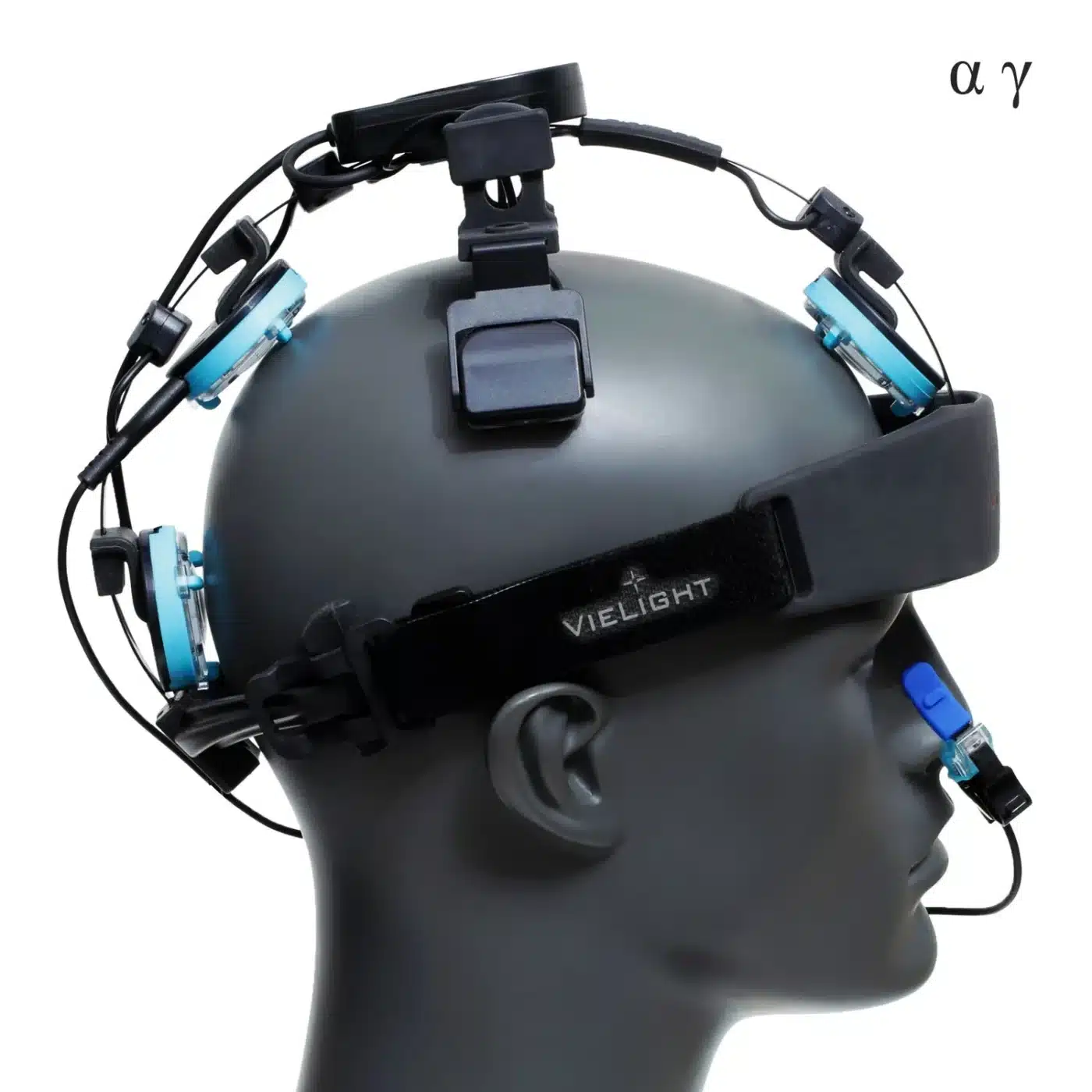
The Vielight Neuro Duo and Vielight Vagus devices are used in this tri-modal approach, optimized for specific therapeutic goals with features like dual stimulation pathways. This combination of therapies aims to enhance the brain’s vasculature and optimize cellular bioenergetics. This tri-modal approach is designed to restore the whole system of the brain, including its vasculature, cellular function, and clearance pathways, rather than focusing solely on individual pathological features. This creates ideal conditions for cognitive improvement and neural recovery.
Mechanisms of tPBM
Transcranial photobiomodulation (tPBM) is a non-invasive therapy that uses specific wavelengths of red and near-infrared light to stimulate cellular function in brain tissue. This therapy boosts mitochondrial activity, leading to increased production of adenosine triphosphate (ATP), which aids in cellular energy metabolism and improves cerebral blood flow. tPBM may also help maintain the integrity of the blood-brain barrier, which is crucial for protecting the brain and supporting cognitive health. By enhancing cellular function and reducing neuroinflammation, tPBM supports mental wellness and cognitive performance.
The primary mechanism by which tPBM supports neuroplasticity is through the stimulation of mitochondrial ATP production and optimization of cerebral circulation. This robust metabolic environment is essential for supporting neuroplasticity and improving cognitive functions, making tPBM a promising treatment for Alzheimer’s disease.
Combined Treatment Strategies
The tri-modal approach combines transcranial photobiomodulation (tPBM), vagal photobiomodulation, and QEEG-guided neurofeedback protocols to enhance cognitive performance and promote neuroplasticity. This integrated therapeutic approach is effective in treating mild cognitive impairment and Alzheimer’s disease, offering new hope for patients.
This combined treatment strategy creates a robust metabolic environment that supports cognitive improvement and neural recovery by stimulating cellular function, improving cerebral blood flow, and reducing inflammation in the body. Initial results and ongoing research indicate the effectiveness of this approach in improving patient outcomes and quality of life.
Clinical Outcomes
Research is ongoing to evaluate the long-term effects of this combined approach on mild cognitive impairment and Alzheimer’s disease. The tri-modal approach enhances neuroplasticity and cellular bioenergetics, optimizing brain function and accelerating neural recovery. Results can vary, with immediate effects often seen in 1-3 sessions, noticeable improvements in 1-4 weeks, and sustained changes in 4-12 weeks.
Combined treatment strategies can lead to faster wound healing, greater improvements in functional mobility, and a higher quality of life for patients with neurological disorders that are closely linked to memory difficulties, attention issues, mental fatigue, depression, anxiety, and sleep disorders, making it a comprehensive treatment option for Alzheimer’s disease.
Summary
In summary, the landscape of Alzheimer’s treatment is evolving with promising new therapies and advancements. Near-Infrared Photobiomodulation (PBM) Therapy has shown significant cognitive improvements without adverse effects, offering hope to patients and their families. The failures in pharmaceutical trials highlight the challenges in developing effective Alzheimer’s treatments and the importance of innovative approaches.
Breakthroughs in monoclonal antibodies, tau protein tangle inhibitors, and AI in early detection represent significant advancements in Alzheimer’s research. Understanding the role of inflammation and the immune system, as well as hormonal influences, is crucial for developing targeted therapies. Advancements in blood tests and the integration of PBM with neurofeedback offer new hope for early detection and comprehensive treatment strategies.
As research continues to advance, the future of Alzheimer’s treatment looks promising. By leveraging innovative therapies and a better understanding of the disease’s underlying mechanisms, including targeting Alzheimer’s pathology, we can improve patient outcomes and bring hope to those affected by Alzheimer’s disease. The journey towards effective treatments continues, and with each breakthrough, we move closer to a world where Alzheimer’s is no longer a devastating diagnosis.
Frequently Asked Questions
What is Near-Infrared Photobiomodulation (PBM) Therapy?
Near-Infrared Photobiomodulation (PBM) Therapy is a non-invasive treatment that employs specific light wavelengths to stimulate cellular function in brain tissue, leading to improved cognitive performance and enhanced mental wellness.
What were the results of the clinical trial by Guo et al.?
The clinical trial by Guo et al. showed significant cognitive improvements in Alzheimer’s patients through the use of whole-head 810 nm near-infrared light therapy, and importantly, there were no adverse device-related effects reported.
What is the significance of the FDA-approved Lumipulse blood test?
The FDA-approved Lumipulse blood test is significant as it detects early Alzheimer’s markers, facilitating timely diagnosis and intervention, which can enhance the effectiveness of treatments.
How does the tri-modal approach benefit Alzheimer's patients?
The tri-modal approach significantly benefits Alzheimer’s patients by enhancing cognitive performance and promoting neuroplasticity, which supports overall brain health. This comprehensive method helps improve their quality of life by targeting multiple aspects of cognitive function.
What are the potential side effects of monoclonal antibody treatments for Alzheimer's?
Monoclonal antibody treatments for Alzheimer’s can cause side effects such as infusion-related reactions, fever, flu-like symptoms, nausea, and dizziness. It is important to monitor for these effects during treatment.